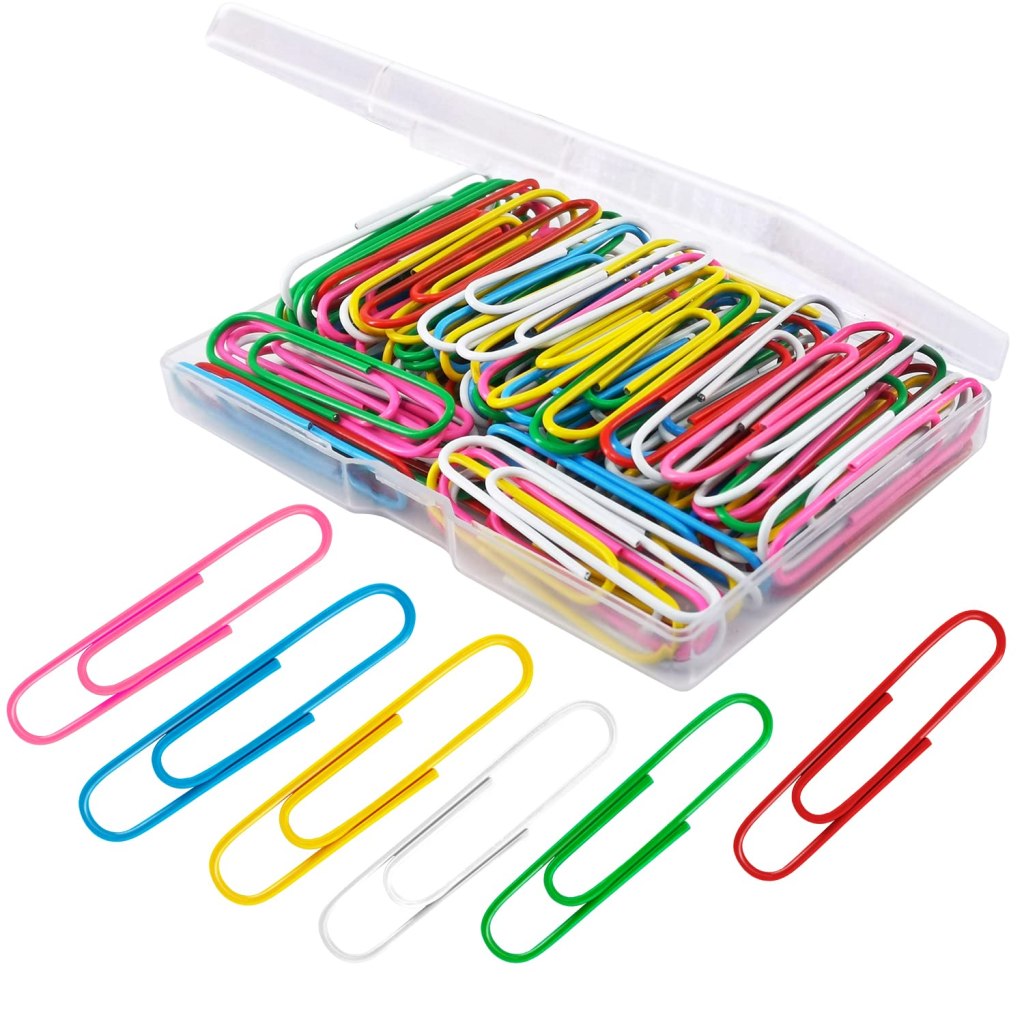
At first glance, a paper clip doesn’t look like much. It’s just a slim loop of wire that holds a couple of sheets together. Nothing flashy, nothing complicated. Yet, behind its modest appearance lies a surprisingly rich history that stretches across centuries, countries, and even wartime resistance movements. The paper clip is one of those everyday tools that quietly shaped how we organize, share, and protect ideas. So, how did such a simple invention come about—and why has it stuck around so long? Let’s take a stroll through its story.
Early Attempts at Holding It Together
Before the paper clip came along, people had to get creative to keep their papers in order. In the 13th and 14th centuries, scribes used ribbons and threads to bind documents. Later, people turned to pins, wax seals, and straight needles. These methods worked, but they weren’t exactly convenient. Pins could poke fingers, wax left messy residue, and sewing required effort you probably wouldn’t want to repeat every day in the office.
It wasn’t until the 19th century, when paper became more widely available for business and personal use, that the need for a small, portable fastening tool really grew urgent. Offices were piling up with memos, letters, and forms—each needing some way to be grouped without damaging the pages.
Enter the Wire Loop
The modern paper clip’s story really begins in the late 1800s. Thanks to advances in wire-making machines, manufacturers could now produce steel wire that was both thin and strong—perfect for bending into shapes. Around this time, inventors across Europe and the United States started tinkering with designs to hold papers together without tearing them.
One of the earliest known patents came from Samuel B. Fay in 1867 in the United States. His design wasn’t quite what we picture today; it looked more like a bent pin and was originally meant to attach tickets to fabric. Still, it could hold papers in a pinch, and that put it on the map.
The Gem Paper Clip: A Design That Stuck
While Fay’s design had its uses, the true classic didn’t emerge until a few decades later. Around the 1890s, a British company called Gem Manufacturing started producing the double-looped paper clip we all recognize today. This version—sometimes called the “Gem clip”—was simple, sturdy, and incredibly efficient. It didn’t require glue, pins, or wax. You could slide it on, slide it off, and reuse it endlessly.
Interestingly, the Gem clip was never patented. Because of that, other companies quickly adopted the design and flooded the market. Its ease of use and elegant shape made it the go-to standard, leaving other more complicated designs in the dust.
A Symbol of Resistance
One of the more unexpected chapters in the paper clip’s history came during World War II. In Nazi-occupied Norway, citizens quietly used paper clips as a symbol of unity and resistance. Because the clip held papers together, it became a subtle way to express solidarity—Norwegians clipped them to their lapels to show they were “bound together” against oppression. This simple office supply took on a powerful political meaning, and today, Norway even has a giant paper clip monument honoring that legacy.
The Many Shapes and Sizes
Although the Gem clip remains the star, inventors have continued to experiment with variations. Some paper clips were designed with ridges to grip papers more tightly, others shaped like triangles or squares for a sleeker look. Novelty clips shaped like hearts, arrows, or animals have also had their moment—proof that even a utilitarian tool can have a little fun.
Still, none of these alternatives have managed to unseat the classic design. Its balance of simplicity, durability, and low cost makes it hard to beat. You can pick up a box of a hundred for just a few dollars, and they’ll last you ages.
A Quiet Cultural Icon
Over time, the paper clip has also become a cultural symbol. Think about Microsoft’s old animated assistant, “Clippy,” popping up to offer (often unhelpful) tips. Or consider how artists and designers have used paper clips in jewelry, sculptures, and even clothing. It’s remarkable that something invented to hold paperwork together ended up holding a place in pop culture, too.
Why It Still Matters Today
You might think, in an era of cloud storage and digital files, that the paper clip would fade into obscurity. But that hasn’t happened. Offices, schools, and households around the world still rely on them. They’re lightweight, recyclable, and endlessly reusable. Beyond their intended purpose, people bend them into tools: a quick SIM card ejector, a reset button pusher, even a lock pick in a pinch. The paper clip proves that sometimes the simplest designs really are the most enduring.
Conclusion: A Small Thing With a Big Story
The paper clip may be tiny, but its history is anything but. From medieval ribbons to 19th-century patents, from the invention of the Gem clip to its role in resistance movements, this little bent piece of wire has traveled a long way. It’s practical, symbolic, and quietly iconic. Next time you reach for one to tame that stack of papers, take a moment to appreciate the history sitting between your fingers. The paper clip isn’t just an office supply—it’s a reminder that even the simplest inventions can have the most lasting impact.


 Office Supply Queen
Leave a comment